
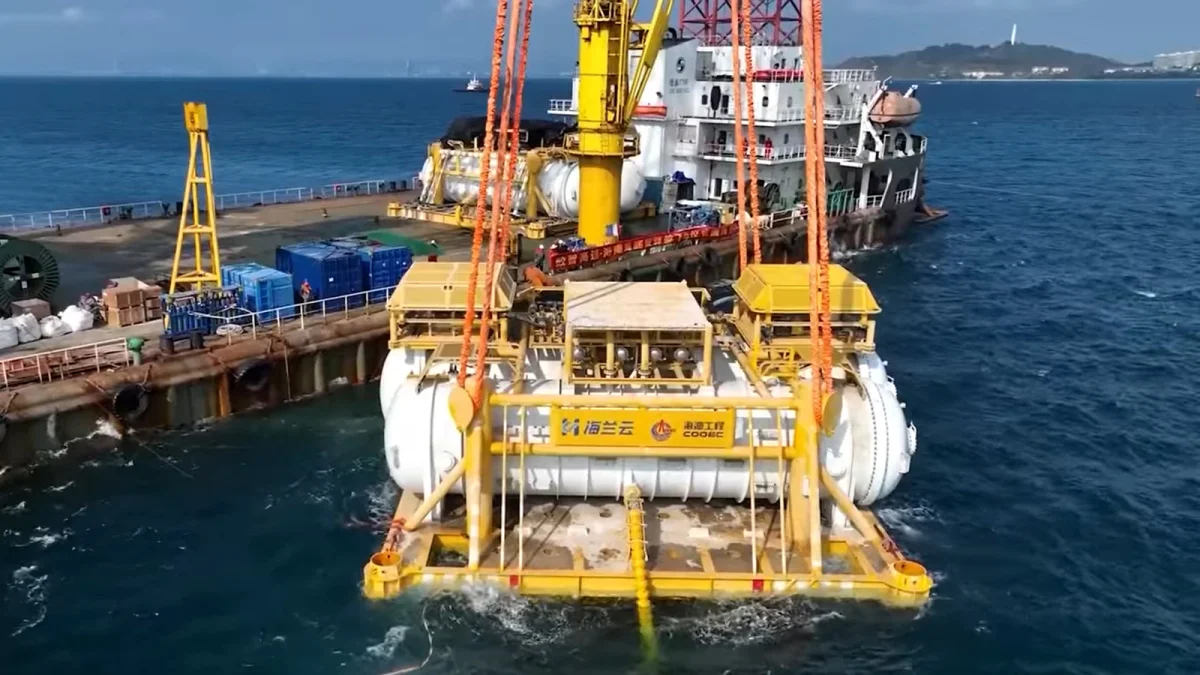

The establishment of underwater data centers is gaining traction as a potential solution to the environmental challenges posed by traditional data centers. In Hainan Province, China, the only operational underwater facility has transitioned into a major artificial intelligence computing hub, using non-potable seawater for cooling. This innovative approach significantly reduces reliance on potable water resources, which are often strained by high consumption demands.
Located near Lingshui, the underwater data center operates within sealed steel capsules at the seabed, performing tasks such as running cloud services and processing data. Since commencing commercial operations in 2023, following its initial module deployment in 2022, the facility has undergone hardware upgrades that enable it to manage more complex AI workloads. Another similar facility is under construction near Shanghai.
Environmental benefits of these underwater installations include reduced energy consumption, as they leverage the ocean's natural cooling properties, thereby minimizing electricity use. Unlike traditional data centers, these structures also address land use and noise pollution concerns. However, the long-term effects on local marine ecosystems and water temperatures remain areas needing further investigation.