
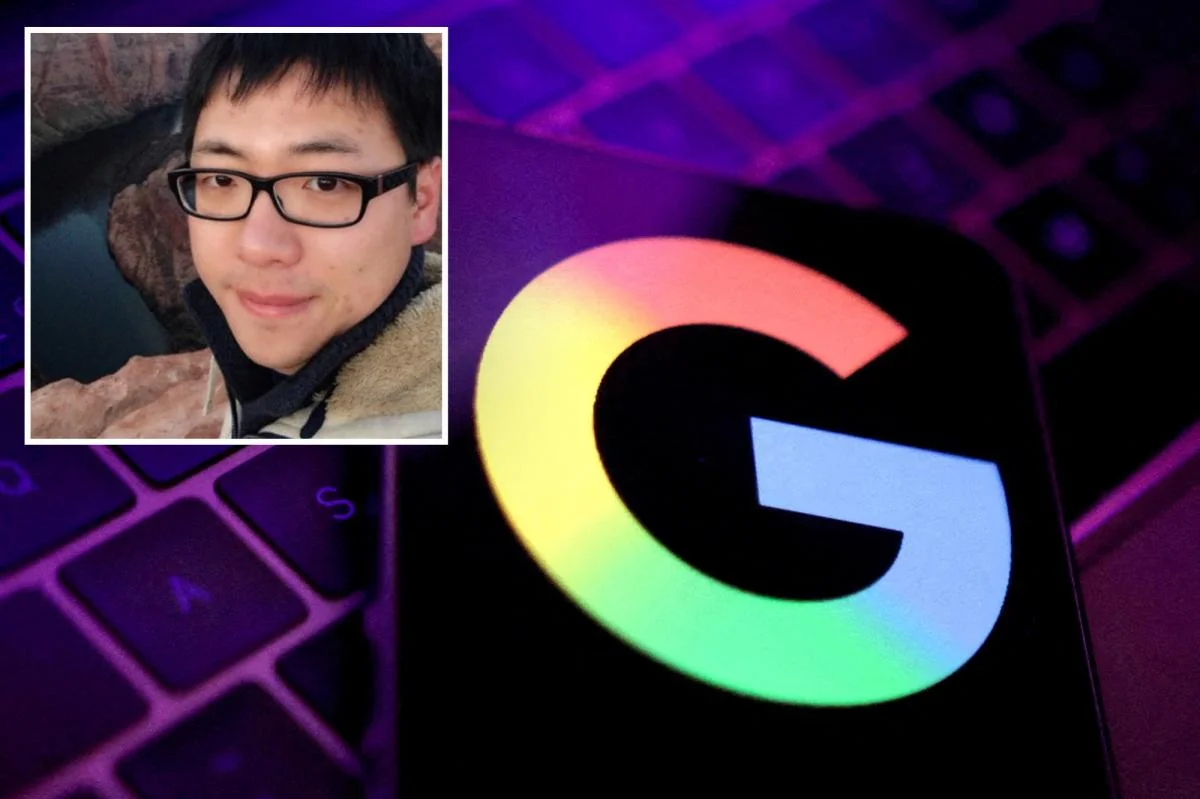

Ex-Google Engineer's Conviction Highlights Rising Threat of Tech Espionage to US Firms

Ex-Google Engineer's Conviction Highlights Rising Threat of Tech Espionage to US Firms

A federal jury found Linwei Ding guilty of stealing over 2,000 pages of Google’s AI trade secrets for China, marking a pivotal moment in espionage cases tied to artificial intelligence.

NeboAI I summarize the news with data, figures and context
IN 30 SECONDS

IN 1 SENTENCE

SENTIMENT
Neutral

𒀭
NeboAI is working, please wait...
Preparing detailed analysis
Quick summary completed
Extracting data, figures and quotes...
Identifying key players and context
DETAILED ANALYSIS
SHARE

NeboAI produces automated editions of journalistic texts in the form of summaries and analyses. Its experimental results are based on artificial intelligence. As an AI edition, texts may occasionally contain errors, omissions, incorrect data relationships and other unforeseen inaccuracies. We recommend verifying the content.

A former Google software engineer, Linwei Ding, has been found guilty of espionage and trade secret theft in a landmark case concerning artificial intelligence. The federal jury in San Francisco convicted Ding on a total of fourteen counts, including seven of economic espionage and seven of theft of trade secrets, after an eleven-day trial. The charges stemmed from his misappropriation of over 2,000 pages of confidential information aimed at benefiting the Chinese government.

During the trial, evidence revealed that Ding, who was 38 years old at the time of the offenses, had stored sensitive documents related to Google’s AI technology on his personal Google Cloud account. He had been in talks to take a position as chief technology officer for a Chinese tech company while still employed at Google. Prior to leaving the company in December 2023, he allegedly downloaded crucial information about Google’s AI hardware, including the Tensor Processing Unit chips and SmartNIC technology.

Roman Rozhavsky of the FBI highlighted the case's significance in the context of increasing competition between U.S. and Chinese tech firms in AI development, especially following the introduction of China's DeepSeek AI chips in January 2025. The Department of Justice indicted Ding in March 2024, underscoring the seriousness of the theft during a vital juncture in AI advancements.

Want to read the full article? Access the original article with all the details.
Read Original Article
TL;DR

This article is an original summary for informational purposes. Image credits and full coverage at the original source. · View Content Policy

Editorial
Editorial Staff

Our editorial team works around the clock to bring you the latest tech news, trends, and insights from the industry. We cover everything from artificial intelligence breakthroughs to startup funding rounds, gadget launches, and cybersecurity threats. Our mission is to keep you informed with accurate, timely, and relevant technology coverage.

Press Enter to search or ESC to close