

AI Revolution: Agentic Enterprises Sets New Standards for Integrated Systems in Deployment

AI Revolution: Agentic Enterprises Sets New Standards for Integrated Systems in Deployment

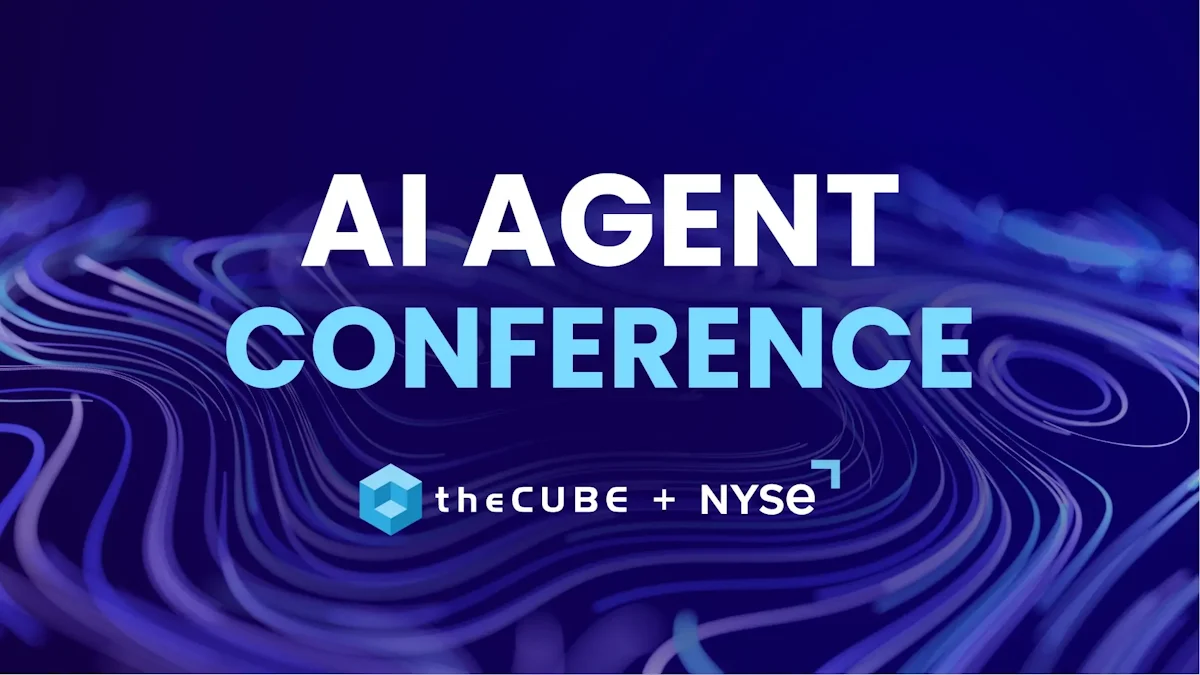
The upcoming AI Agent Conference on May 4-5 will spotlight how businesses are integrating intelligent agents into workflows, reshaping enterprise operations and decision-making.

NeboAI I summarize the news with data, figures and context
IN 30 SECONDS

IN 1 SENTENCE

SENTIMENT
Neutral

𒀭
NeboAI is working, please wait...
Preparing detailed analysis
Quick summary completed
Extracting data, figures and quotes...
Identifying key players and context
DETAILED ANALYSIS
SHARE

NeboAI produces automated editions of journalistic texts in the form of summaries and analyses. Its experimental results are based on artificial intelligence. As an AI edition, texts may occasionally contain errors, omissions, incorrect data relationships and other unforeseen inaccuracies. We recommend verifying the content.

The integration of AI into business operations is evolving, with organizations moving towards systems that can actively manage workflows rather than relying on isolated tools. This shift reflects a broader change in enterprise strategy, as highlighted by John Furrier, an executive analyst at theCUBE Research. He notes that there is a significant gap between experimentation with AI and its practical implementation, particularly in the small to medium-sized business sector, which is experiencing notable growth.

The upcoming AI Agent Conference, set for May 4–5, will showcase how companies are embedding intelligent agents into their workflows. Simon Chan, the conference chair, emphasizes the transition from passive software systems to active participants in work processes. This change enables organizations to deploy agents that can make decisions and perform tasks autonomously, fostering a more dynamic operating model.

Furthermore, different technical approaches are being adopted by companies regarding how agents interact with software environments. Some prefer structured integrations, while others allow for more flexible operations within user interfaces. Ang Li, co-founder and CEO of Simular, points out that there are primarily two types of agents being developed, indicating a diverse landscape in the deployment of agentic AI solutions.

Want to read the full article? Access the original article with all the details.
Read Original Article
TL;DR

This article is an original summary for informational purposes. Image credits and full coverage at the original source. · View Content Policy

Editorial
Editorial Staff

Our editorial team works around the clock to bring you the latest tech news, trends, and insights from the industry. We cover everything from artificial intelligence breakthroughs to startup funding rounds, gadget launches, and cybersecurity threats. Our mission is to keep you informed with accurate, timely, and relevant technology coverage.

Press Enter to search or ESC to close