
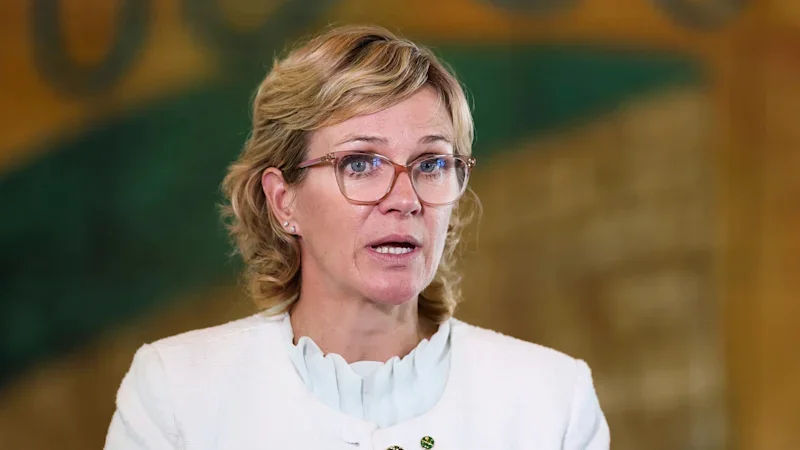

Zali Steggall's Cybersecurity Breach Raises Concerns Over Russian Interference

Zali Steggall's Cybersecurity Breach Raises Concerns Over Russian Interference

In March, independent MP Zali Steggall's WhatsApp was hacked in a phishing scheme linked to Russia, prompting a temporary ban on the app for federal staff. What does this mean for cybersecurity in parliament?

NeboAI I summarize the news with data, figures and context
IN 30 SECONDS

IN 1 SENTENCE

SENTIMENT
Neutral

𒀭
NeboAI is working, please wait...
Preparing detailed analysis
Quick summary completed
Extracting data, figures and quotes...
Identifying key players and context
DETAILED ANALYSIS
SHARE

NeboAI produces automated editions of journalistic texts in the form of summaries and analyses. Its experimental results are based on artificial intelligence. As an AI edition, texts may occasionally contain errors, omissions, incorrect data relationships and other unforeseen inaccuracies. We recommend verifying the content.

In March, a significant cybersecurity incident led to the breach of WhatsApp accounts belonging to Independent MP Zali Steggall and three of her staff members, raising concerns over the safety of communications among federal politicians. This breach, attributed to a foreign state actor, resulted in the temporary blockage of WhatsApp on parliamentary laptops, affecting both personal and government devices.

During Senate estimates hearings, officials from the Department of Parliamentary Services confirmed the hacking and noted that access to the messaging platform was restricted for several days following the incident. Steggall, representing Warringah, acknowledged the breach, stating, “My WhatsApp account was targeted as part of a broader cyber incident affecting parliamentarians and staff.” She reported the matter to relevant authorities and ensured her account's security.

The hacking incident has drawn criticism from Opposition Special Minister of State James McGrath, who described it as part of a troubling trend of security failures. While the specific foreign actor remains unnamed, there is widespread belief that Russia is involved, as indicated by warnings from the FBI and intelligence agencies in the Netherlands regarding ongoing phishing campaigns targeting messaging applications.

Want to read the full article? Access the original article with all the details.
Read Original Article
TL;DR

This article is an original summary for informational purposes. Image credits and full coverage at the original source. · View Content Policy

Editorial
Editorial Staff

Our editorial team works around the clock to bring you the latest tech news, trends, and insights from the industry. We cover everything from artificial intelligence breakthroughs to startup funding rounds, gadget launches, and cybersecurity threats. Our mission is to keep you informed with accurate, timely, and relevant technology coverage.

Press Enter to search or ESC to close