

Linux users at risk as China-linked hackers exploit backdoor in login software for years

Linux users at risk as China-linked hackers exploit backdoor in login software for years

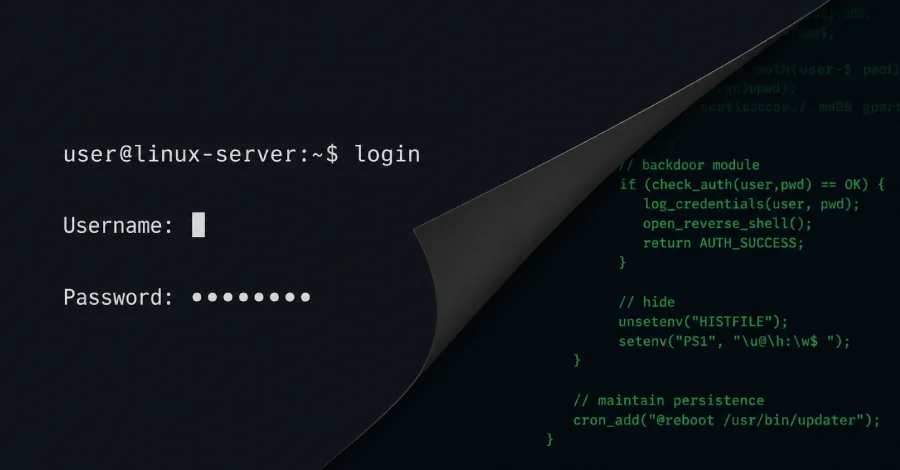
A China-linked group has infiltrated Linux login systems for nearly a decade, modifying trusted components to evade detection, prompting urgent security scrutiny across isolated networks.

NeboAI I summarize the news with data, figures and context
IN 30 SECONDS

IN 1 SENTENCE

SENTIMENT
Neutral

𒀭
NeboAI is working, please wait...
Preparing detailed analysis
Quick summary completed
Extracting data, figures and quotes...
Identifying key players and context
DETAILED ANALYSIS
SHARE

NeboAI produces automated editions of journalistic texts in the form of summaries and analyses. Its experimental results are based on artificial intelligence. As an AI edition, texts may occasionally contain errors, omissions, incorrect data relationships and other unforeseen inaccuracies. We recommend verifying the content.

A sophisticated hacking group linked to China, known as Velvet Ant, has infiltrated critical components of the Linux login system over nearly a decade, according to findings from Sygnia. The attackers manipulated the PAM and OpenSSH modules, which control user access, allowing them to bypass traditional security measures. They began their operations as early as 2016, leveraging internet-facing systems to penetrate a network that lacked direct internet access.

By altering the trusted login programs instead of deploying new malware, the group maintained a low profile, enabling their activities to resemble routine administrative tasks. This involved replacing the primary PAM login module with compromised versions that either provided unauthorized access through secret passwords or recorded legitimate usernames and passwords. Nine distinct versions of these alterations were identified, alongside similar modifications to OpenSSH, which also included covert logging capabilities.

Normal security measures such as password resets proved ineffective since the compromised login system itself facilitated the attacker's access. In a related incident in 2024, Velvet Ant was observed exploiting vulnerabilities in F5 BIG-IP appliances and Cisco NX-OS switches to establish command servers within secure environments. The persistence of these attacks underscores the necessity for verification of trusted programs, as traditional patching methods may not address the underlying issue of compromised software.

Want to read the full article? Access the original article with all the details.
Read Original Article
TL;DR

This article is an original summary for informational purposes. Image credits and full coverage at the original source. · View Content Policy

Editorial
Editorial Staff

Our editorial team works around the clock to bring you the latest tech news, trends, and insights from the industry. We cover everything from artificial intelligence breakthroughs to startup funding rounds, gadget launches, and cybersecurity threats. Our mission is to keep you informed with accurate, timely, and relevant technology coverage.

Press Enter to search or ESC to close