

Iran-Linked Hackers Disrupt US Aviation Security with Sophisticated Phishing Tactics

Iran-Linked Hackers Disrupt US Aviation Security with Sophisticated Phishing Tactics

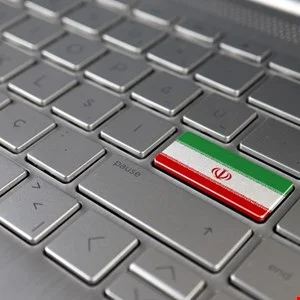
Iranian hackers have expanded their operations into the US aviation sector, employing novel tactics like search engine poisoning to reach victims, raising serious cybersecurity concerns.

NeboAI I summarize the news with data, figures and context
IN 30 SECONDS

IN 1 SENTENCE

SENTIMENT
Neutral

𒀭
NeboAI is working, please wait...
Preparing detailed analysis
Quick summary completed
Extracting data, figures and quotes...
Identifying key players and context
DETAILED ANALYSIS
SHARE

NeboAI produces automated editions of journalistic texts in the form of summaries and analyses. Its experimental results are based on artificial intelligence. As an AI edition, texts may occasionally contain errors, omissions, incorrect data relationships and other unforeseen inaccuracies. We recommend verifying the content.

In a concerning development, Iranian state-backed hackers have expanded their operations into the American aviation sector amid ongoing tensions related to the US-Iran military conflict. The group, known as Nimbus Manticore or UNC1549, has conducted three waves of cyber activities between February and April 2026, coinciding with the US military's Operation Epic Fury, which commenced on February 28.

For the first time, the attackers employed search engine poisoning alongside their usual career-themed phishing tactics. In April, they shifted from fake job offers to a counterfeit download page mimicking Oracle's SQL Developer tool, manipulating search keywords to enhance the bogus site's visibility on platforms like Bing and DuckDuckGo. This innovative approach marks a significant evolution in their strategy.

The campaign also introduced a new backdoor called MiniFast, replacing the previously used MiniJunk family. This 64-bit Windows DLL functions as a sophisticated implant, capable of communicating with its command-and-control server while masquerading as legitimate traffic. Check Point Research noted that the coding and design of both the backdoor and its loaders exhibit signs of AI-assisted development, indicating an advanced level of technical proficiency.

Want to read the full article? Access the original article with all the details.
Read Original Article
TL;DR

This article is an original summary for informational purposes. Image credits and full coverage at the original source. · View Content Policy

Editorial
Editorial Staff

Our editorial team works around the clock to bring you the latest tech news, trends, and insights from the industry. We cover everything from artificial intelligence breakthroughs to startup funding rounds, gadget launches, and cybersecurity threats. Our mission is to keep you informed with accurate, timely, and relevant technology coverage.

Press Enter to search or ESC to close