
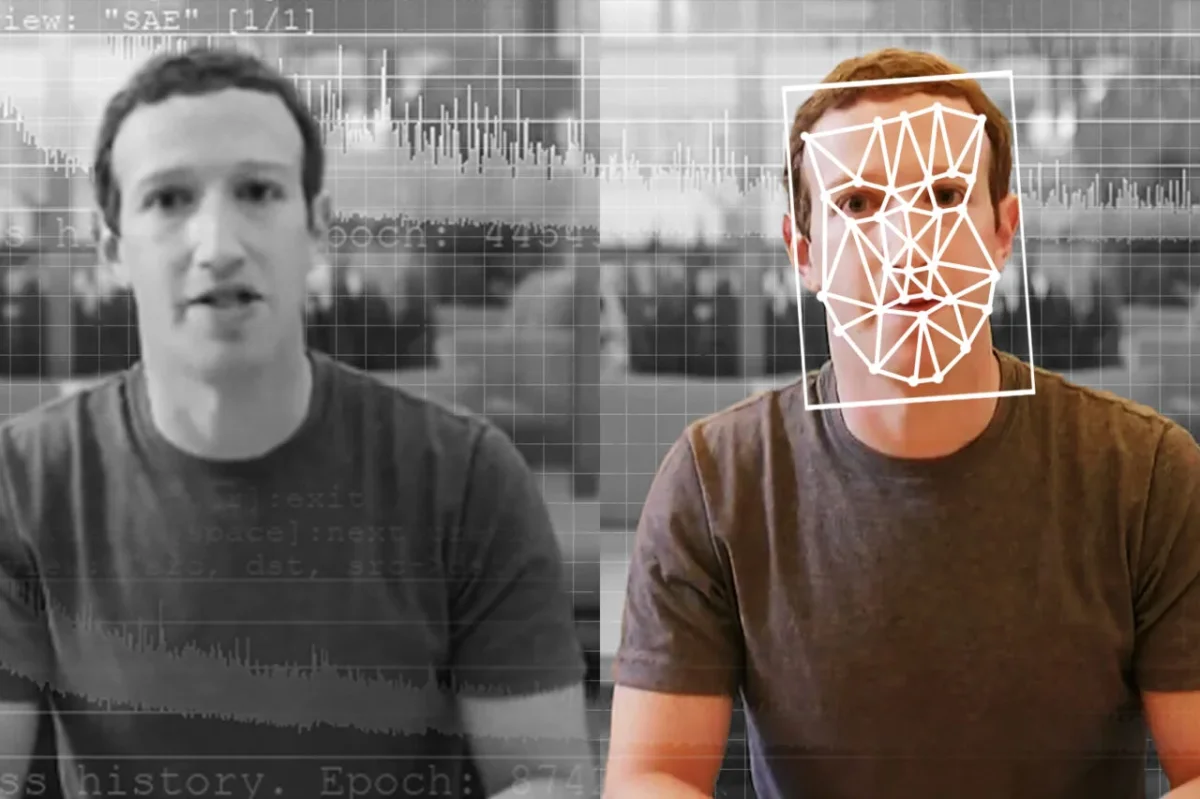

The proliferation of deepfakes is set to escalate further, with estimates indicating a jump from approximately 500,000 deepfakes in 2023 to around 8 million by 2025. This represents an astonishing annual growth rate of nearly 900%, according to cybersecurity firm DeepStrike. Enhanced realism in AI-generated media has made these synthetic creations nearly indistinguishable from genuine recordings, fooling both casual viewers and institutions alike.
In 2026, the situation is anticipated to worsen as deepfakes evolve into synthetic performers capable of real-time interaction. Recent advancements have contributed to this rapid progression, particularly in video generation models that ensure temporal consistency. These improvements allow for coherent motion and stable facial representations, eliminating previous visual distortions that could identify deepfakes.
Additionally, advancements in voice cloning technology have crossed a significant threshold, enabling realistic audio replication from just a few seconds of sample material. This has led to a surge in large-scale fraud, with some retailers reporting over 1,000 AI-generated scam calls daily. The markers that previously indicated synthetic voices have largely vanished, raising concerns about the implications for security and authenticity.