
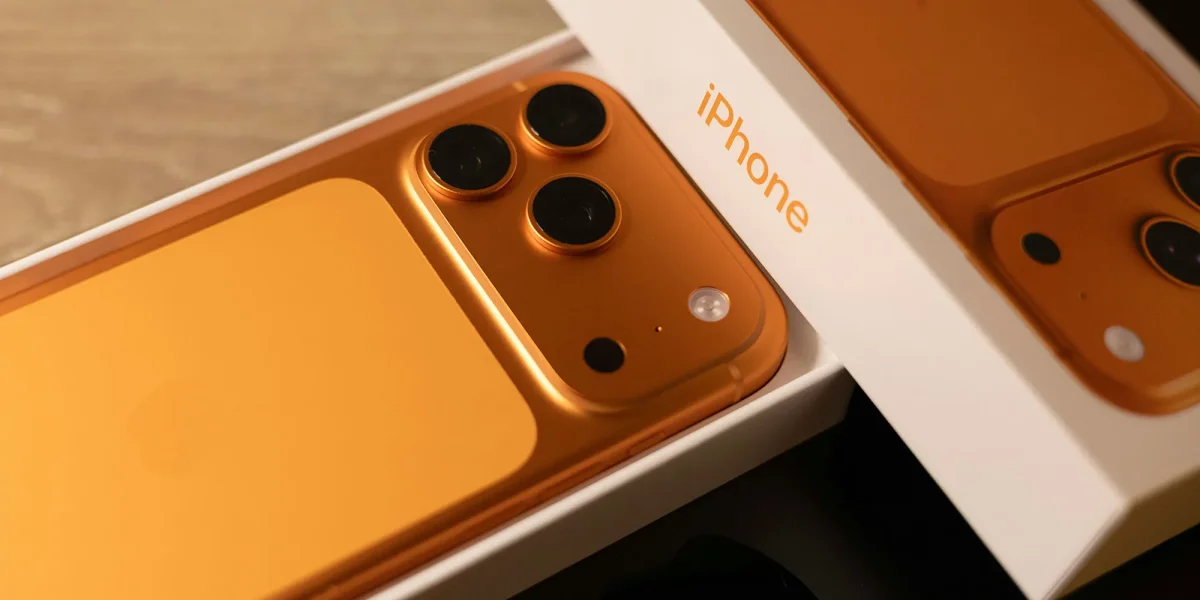

A new variant of the increasingly prevalent “free phone” scams has emerged, posing significant risks to unsuspecting individuals. In this recent iteration, victims receive a phone at their doorstep that they did not order, tempting them to activate it without realizing the potential dangers. Upon activation, the device may lock or freeze, leaving the user with a non-functional phone while the scammer gains access to personal information.
Traditionally, these scams involve impersonation to order a phone from a mobile carrier, with the scammer intercepting the package upon delivery. Another common technique includes a fraudulent call from a company claiming a mistake in sending the wrong phone, tricking victims into returning their legitimate device.
Experts advise against engaging with unsolicited packages. Actions like powering on the device or scanning QR codes can compromise personal data. Coughlin highlights that many of these phones may come preloaded with malware or include SIM cards intended for fraudulent activities. To mitigate risks, it is recommended to implement two-factor authentication on mobile accounts and refrain from interacting with unexpected deliveries.