

The increasing frequency and impact of cyberattacks on healthcare services have prompted a heightened focus on cyber resilience. With patient safety at stake, leaders in the industry are recognizing the necessity of integrating cybersecurity measures throughout their organizations. This shift in perspective emphasizes that cyber preparedness is now viewed as a critical enterprise-wide capability.
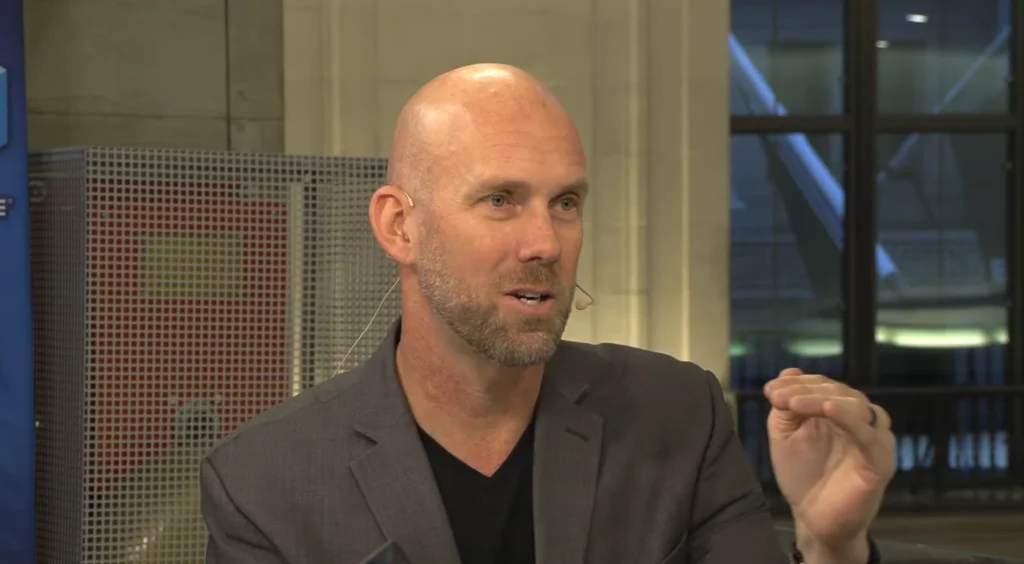
Josh Howell, the chief technology officer at Rubrik Inc., recently discussed the broader implications of these cyber incidents during an interview on theCUBE’s “MedTech Unplugged.” He pointed out that the repercussions extend beyond financial losses, often resulting in staff attrition and dissatisfaction among employees due to the lengthy recovery processes following such events. Howell highlighted the vital role of artificial intelligence in healthcare, emphasizing that security must be integrated from the initial stages of technology development.
Howell noted the importance of tools like Rubrik Agent Cloud, which aim to provide visibility and control over data utilized by AI systems. He cautioned that without proper oversight, AI applications could pose significant risks, capable of causing serious harm rapidly. As healthcare organizations face these evolving challenges, the role of chief information and security officers becomes increasingly critical in ensuring robust cybersecurity measures are in place.