

AI-driven worm technology poses new cybersecurity threats, researchers warn

AI-driven worm technology poses new cybersecurity threats, researchers warn

A groundbreaking prototype worm from University of Toronto exploits known vulnerabilities across platforms, adapting its attacks autonomously, raising urgent cybersecurity concerns.

NeboAI I summarize the news with data, figures and context
IN 30 SECONDS

IN 1 SENTENCE

SENTIMENT
Neutral

𒀭
NeboAI is working, please wait...
Preparing detailed analysis
Quick summary completed
Extracting data, figures and quotes...
Identifying key players and context
DETAILED ANALYSIS
SHARE

NeboAI produces automated editions of journalistic texts in the form of summaries and analyses. Its experimental results are based on artificial intelligence. As an AI edition, texts may occasionally contain errors, omissions, incorrect data relationships and other unforeseen inaccuracies. We recommend verifying the content.

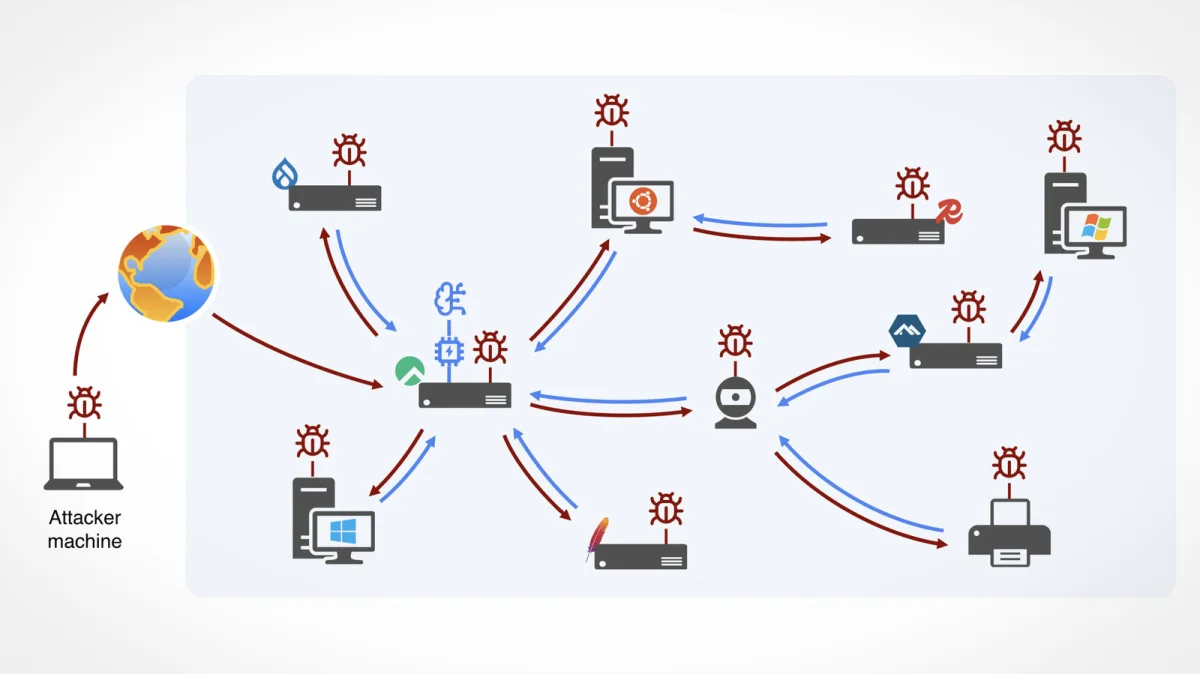
A prototype worm developed by researchers at the University of Toronto demonstrates the potential for AI to exploit computer vulnerabilities in a novel manner. This worm can adapt its attack strategies as it spreads through networks, targeting various platforms such as Linux, Windows, and IoT devices. Unlike traditional worms that rely on pre-programmed attacks, this AI-driven model collects data about the network and its weaknesses, allowing it to siphon passwords and gain access to additional systems.

The worm operates autonomously, requiring no human intervention, and can continue to exploit new flaws even after initial defenses are patched. As it infects machines, it utilizes their processing power to enhance its reasoning capabilities for future assaults. According to lead author Nicolas Papernot, this advancement significantly reduces the cost of such attacks, shifting the dynamic of cybersecurity threats.

This development comes in the wake of Anthropic's launch of Mythos, an AI model that has identified over 10,000 cybersecurity flaws. Although the prototype worm currently can only exploit known vulnerabilities, its design raises concerns about the potential for malicious use in the future.

Want to read the full article? Access the original article with all the details.
Read Original Article
TL;DR

This article is an original summary for informational purposes. Image credits and full coverage at the original source. · View Content Policy

Editorial
Editorial Staff

Our editorial team works around the clock to bring you the latest tech news, trends, and insights from the industry. We cover everything from artificial intelligence breakthroughs to startup funding rounds, gadget launches, and cybersecurity threats. Our mission is to keep you informed with accurate, timely, and relevant technology coverage.

Press Enter to search or ESC to close