
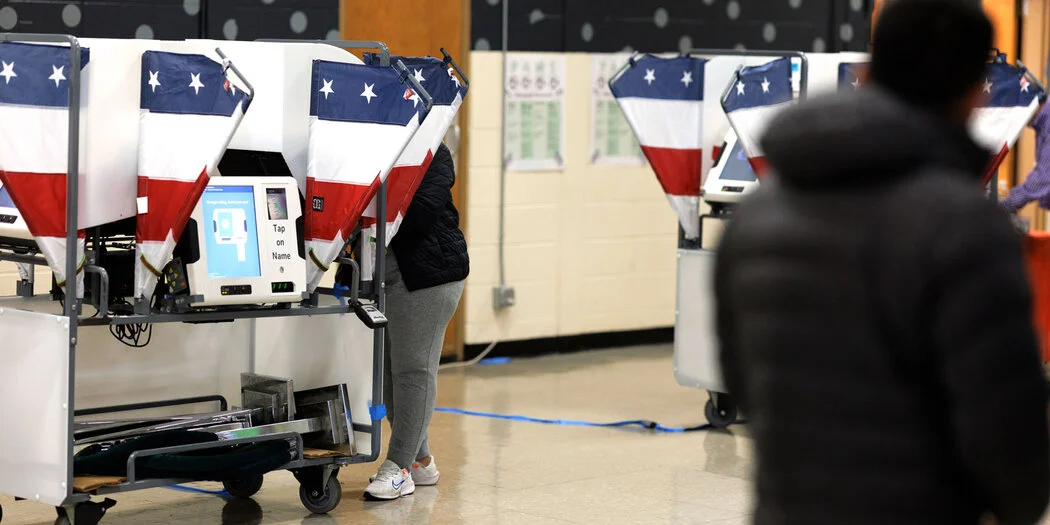

Following the significant foreign interference in the 2016 U.S. elections, election officials nationwide have enhanced their cybersecurity protocols. Over $1 billion in federal funding has been allocated to improve election technology and security practices, enabling states to implement vital protections such as multifactor authentication and network monitoring. A recent survey shows that most states are now adopting these essential safeguards to defend against cyber threats to voter registration databases.
Since 2018, the federal government has been instrumental in offering resources, including free cybersecurity assessments, to assist election officials in managing potential risks. Although federal support has decreased over the past year, state cybersecurity capabilities have significantly advanced, primarily due to a four-year grant program worth $1 billion initiated in 2021. Unlike in 2016, where around 25% of votes were cast on paperless systems, current practices ensure that nearly all votes have a paper record, facilitating manual verification during potential cyber incidents.
Election officials now also have comprehensive backup plans to address unexpected issues, ensuring that every eligible voter can cast their ballot. As the threat landscape evolves with tools like Anthropic’s Mythos model indicating new risks from AI-assisted cyberattacks, there is a critical need for state and federal leaders to restore reliable funding for election security measures.