

In a notable shift, gaming on Linux is gaining traction as major players in the industry begin to acknowledge its potential. The landscape has evolved significantly since 2025, particularly with the introduction of Valve's Proton, which has streamlined the gaming experience for Linux users. Previously, running games on Linux involved complicated processes that often resulted in failure, but improvements have made it easier to enjoy a wide range of titles.
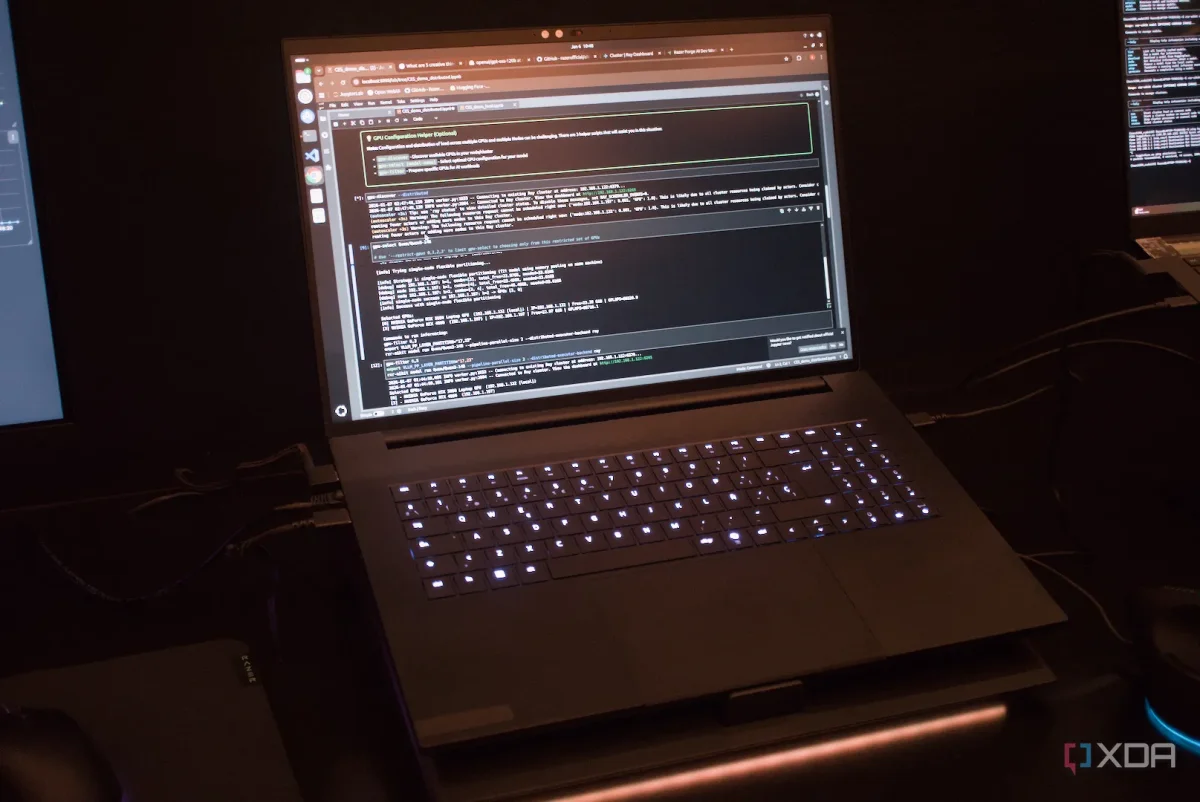
At CES 2026, Razer showcased its Blade 18 laptop running Ubuntu, primarily for AI development purposes. This marks a significant step, as Razer typically does not emphasize Linux compatibility in its hardware offerings. Additionally, the company has made available configuration guides for users looking to set up Linux on their devices. Nvidia has also entered the arena by launching GeForce on Linux, further enhancing the platform's gaming capabilities.
The timing of these advancements coincides with an increasing interest in alternatives to Windows 11, as users seek new options following the conclusion of support for Windows 10. As the gaming community continues to explore Linux, it is clear that the operating system is becoming a viable choice for gamers and developers alike.