
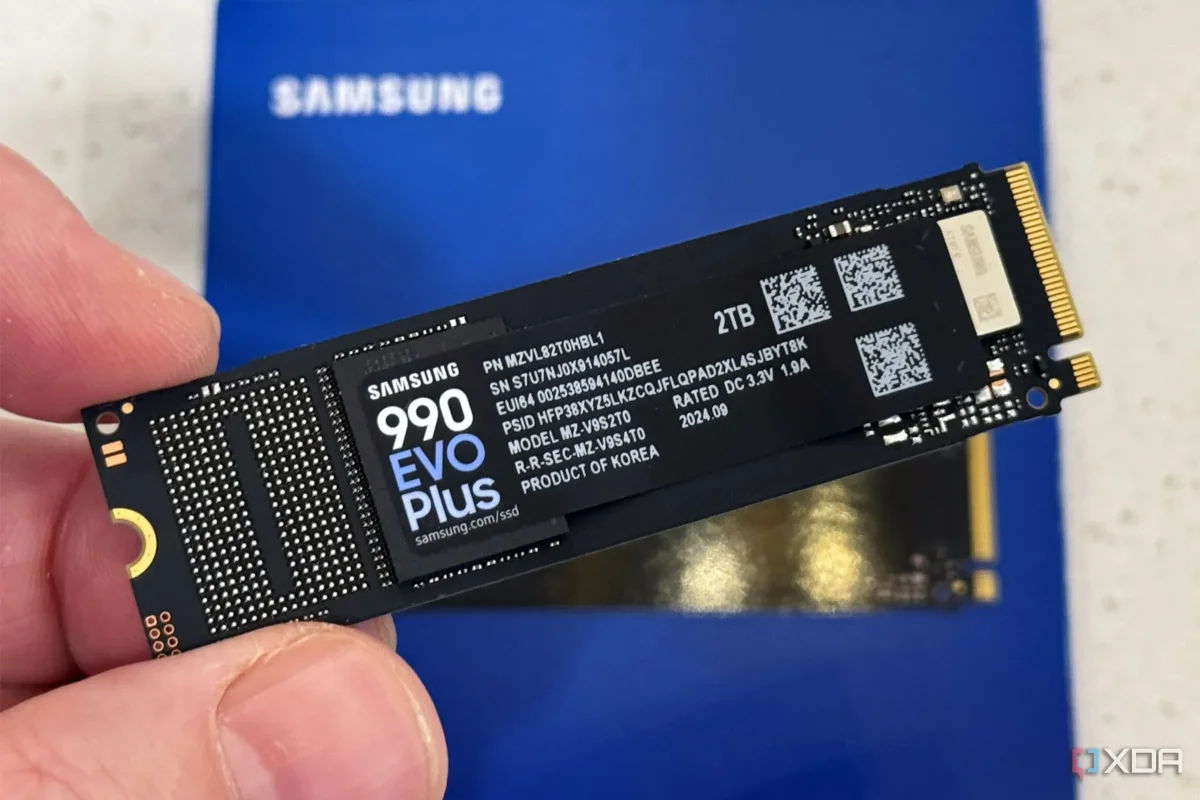

Performance issues with high-end SSDs can stem from a variety of factors, often leaving users frustrated when their devices do not meet advertised speeds. Solid-state drives (SSDs) depend on intricate processes for optimal performance, and when these processes are disrupted, even advanced NVMe models can exhibit sluggishness.
One major factor affecting SSD efficiency is available storage space. If an SSD is nearly full, it may struggle to perform well due to a phenomenon called Write Amplification (WA). This occurs when the drive must read, modify, and rewrite entire blocks of data, which significantly hampers write speeds and increases wear on the NAND flash. Maintaining a buffer of 10-20% of total capacity can enhance garbage collection, allowing for better data organization during idle periods.
Another consideration is whether the TRIM command is activated. This command helps optimize SSD performance by notifying the drive which data blocks are no longer in use. Without TRIM, the SSD may take longer to find free space when writing new data, leading to slower operation.