
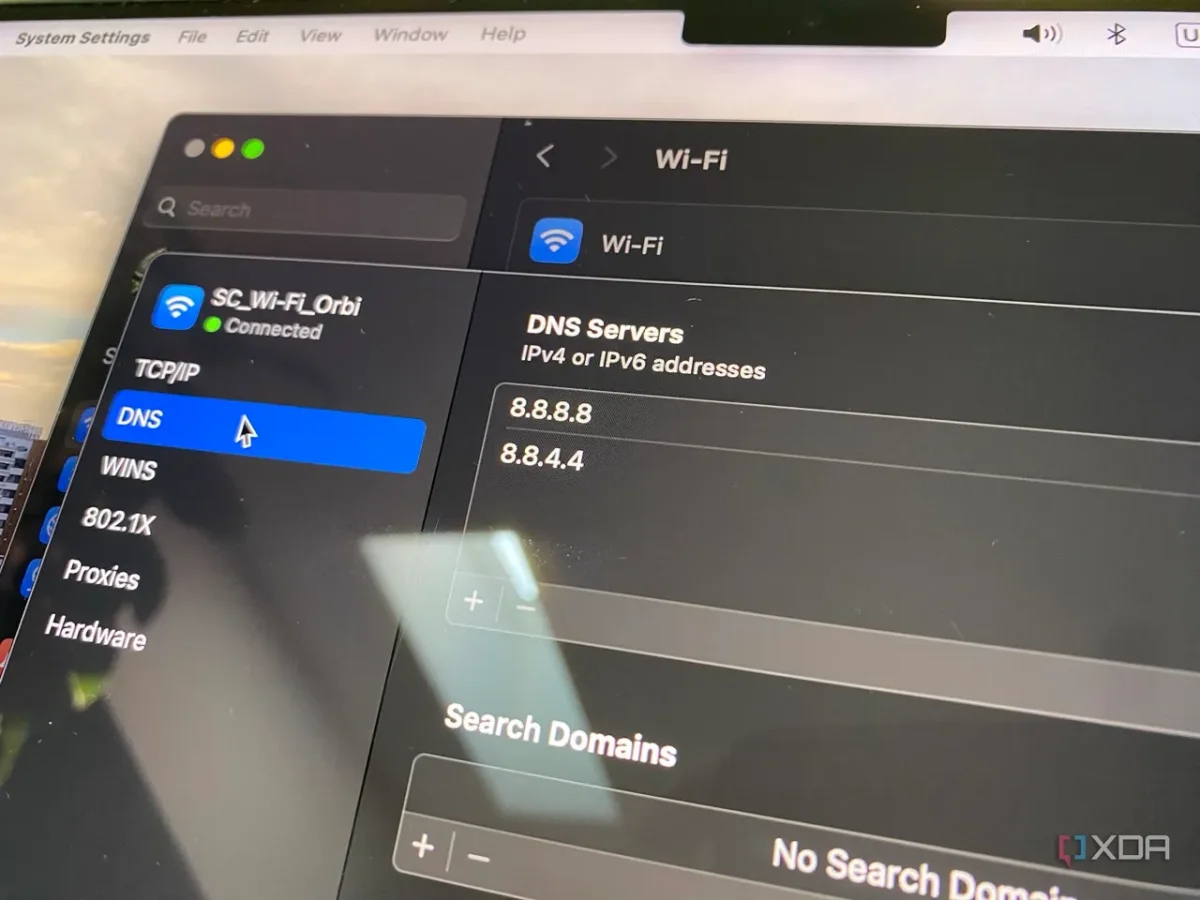

Setting up a custom DNS server can significantly enhance internet performance and privacy for users. This project is particularly appealing for individuals interested in boosting network speed, as well as those concerned about their online privacy. The lightweight nature of a DNS server allows it to operate on compact devices, such as a Raspberry Pi, making it accessible for various users.
One of the primary advantages of implementing a personal DNS server is the increased control over privacy. By running one at home, individuals can limit the information shared with their Internet Service Provider (ISP). Default DNS queries are not encrypted, which means ISPs can monitor the websites visited, potentially leading to targeted advertising based on user behavior.
Additionally, a custom DNS server can enhance browsing speed by improving DNS cache performance. Standard home routers often have built-in DNS servers, but their efficiency may vary. A dedicated DNS setup can reduce latency and improve response times, contributing to a more seamless internet experience.
Moreover, for those managing their own networks or services, a personal DNS server allows for the creation of internal domains without needing to register external domains, simplifying service management.