
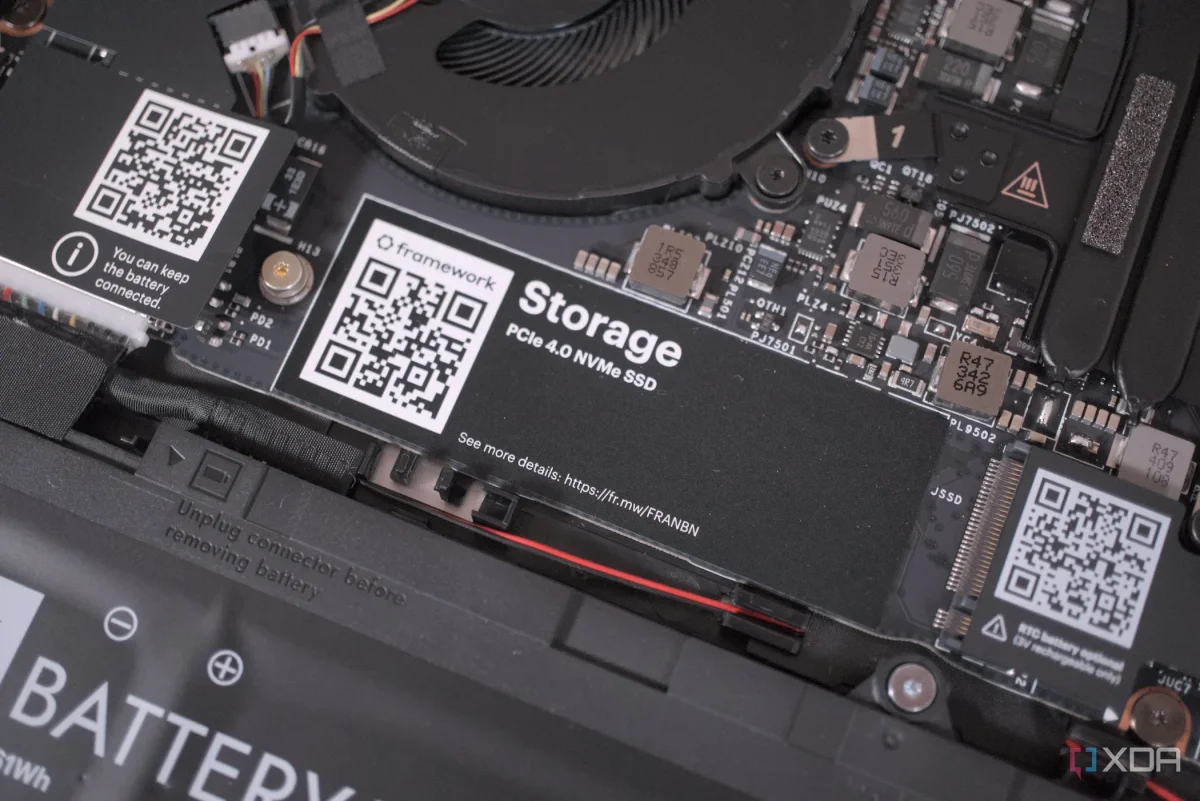

Increased wear on SSDs often results from the constant demand for micro-writes rather than solely hardware quality. Modern operating systems continuously generate small data updates, creating significant workloads for solid-state drives. This ongoing activity includes logging, caching, and background services that collectively contribute to premature SSD failure.
Micron Technology's analysis highlights that small file operations exacerbate a phenomenon known as write amplification (WA), which severely impacts drive endurance. Unlike operating systems that manage data in 4KB clusters, SSDs operate with larger blocks, typically ranging from 256 KB to several megabytes. This mismatch means that modifying small files requires reading and rewriting entire blocks, leading to excessive wear over time.
Research indicates that random 4KB writes produce the highest write amplification factor, especially affecting consumer-grade SSDs with less over-provisioning. Major web browsers, including Chrome and Microsoft Edge, contribute to this issue by frequently updating small databases and session files, further straining SSD resources.