
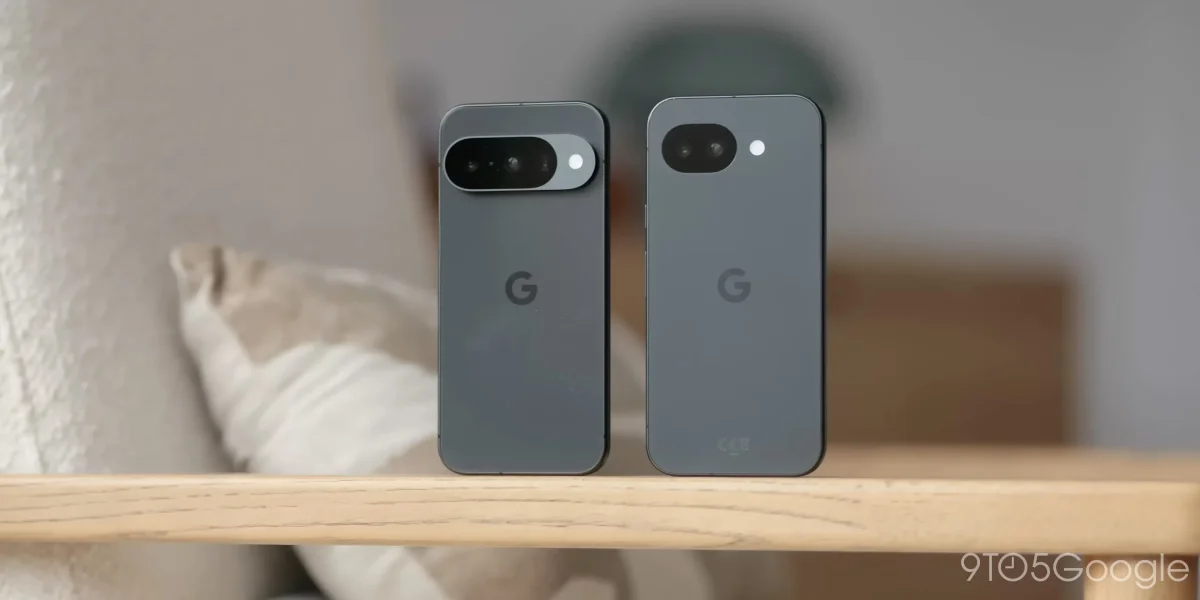

The distinction between Google's Pixel 10 and Pixel 10a has become clearer as the company emphasizes different market segments for these devices. The Pixel 10 boasts premium features, such as a polished back and Gorilla Glass Victus 2, while the Pixel 10a opts for a more utilitarian design with a matte finish and a bump-free unibody.
In terms of specifications, both models showcase nearly identical screens, featuring a peak brightness of 3,000 nits and a 120Hz refresh rate. However, the Pixel 10 offers superior audio quality and retains peak brightness for longer durations. The Pixel 10a, on the other hand, is approximately a millimeter taller and noticeably lighter, weighing over 20 grams less than its counterpart.
Notably, the Pixel 10a lacks the Pixelsnap feature found on the Pixel 10, which has raised some concerns among users. The optical fingerprint scanner remains standard on the 10a, while its bezels are slightly larger, making it harder to differentiate the screens at a glance. As both devices cater to different audiences, Google’s approach aims to clarify their respective positions in the market.