
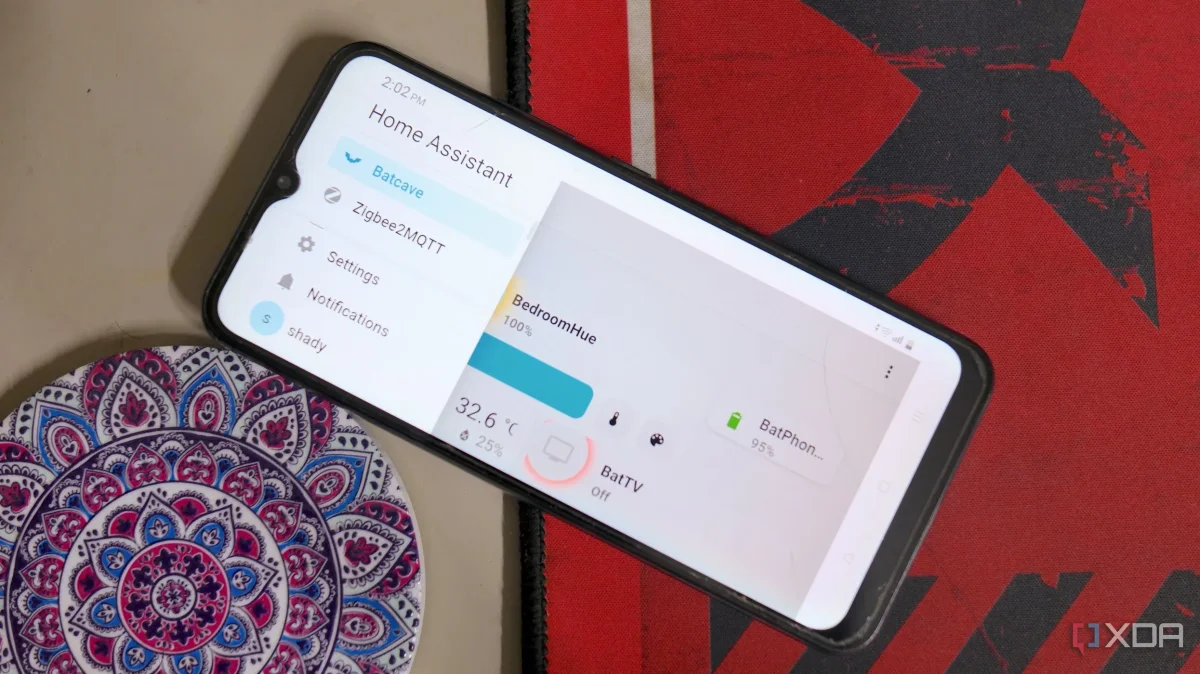

The integration of old Android phones into smart home systems is gaining traction, offering a powerful alternative to traditional DIY hardware. These devices boast advanced processing capabilities and a diverse array of built-in sensors, making them a versatile choice for home automation projects.
While constructing sensor nodes with an ESP32 can be labor-intensive, involving sensor selection and wiring, the use of an Android phone simplifies the process significantly. An Android device typically includes features like a camera, microphone, GPS, and various motion sensors, providing a rich sensor environment without the need for complex setups.
In practical applications, the sensors found in older Android phones often outperform cheaper alternatives, such as basic PIR motion sensors. Although they may not match the performance of high-end IP cameras, the computing power and integrated features of these phones allow for efficient management of automation tasks.
By utilizing apps like Tasker and Home Assistant, users can effectively monitor their environments and even repurpose their phones as streaming cameras. This approach not only maximizes the utility of unused devices but also enhances the overall smart home experience.