
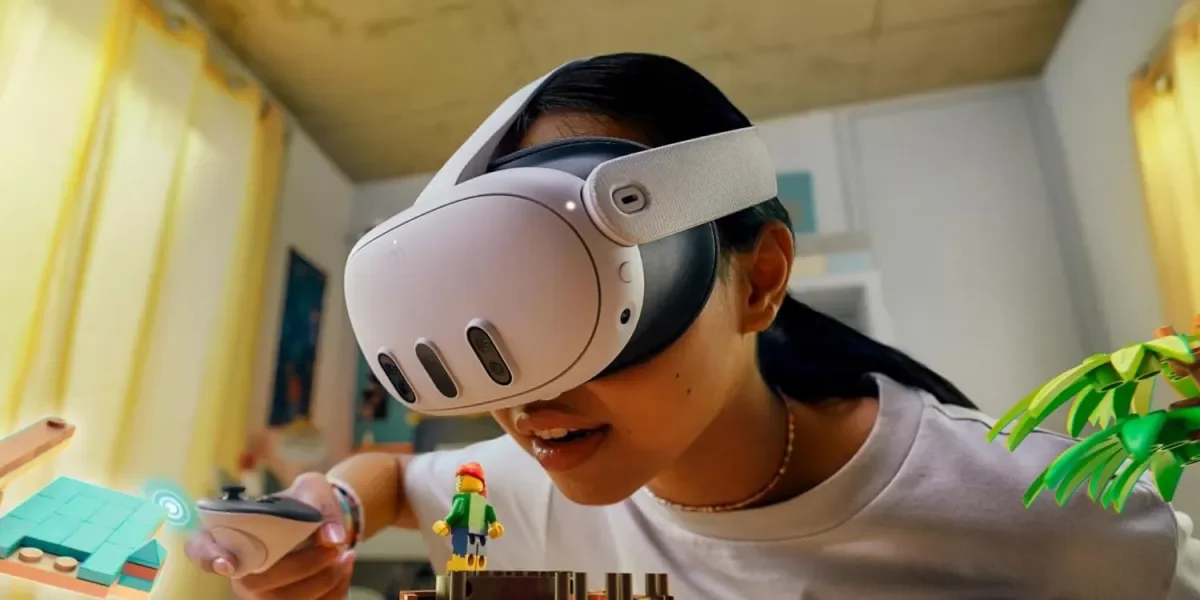

In a significant shift, Meta has announced that it is pausing its plans to allow third-party manufacturers to develop hardware using its Horizon OS, which powers the Quest headsets. This decision impacts potential collaborations with companies like Asus and Lenovo, as their projects are now unlikely to materialize.
Originally set for a 2024 rollout, the initiative aimed to expand Horizon OS access to a wider array of devices, enabling other brands to tap into Meta's popular ecosystem of games and applications. However, Meta confirmed its renewed focus on enhancing its own first-party hardware and software to advance the virtual reality market.
The pause on third-party partnerships could inadvertently bolster Google's Android XR efforts, which already offers a more extensive app library. Meta previously rejected a collaboration proposal from Google regarding Android XR, but with Horizon OS now sidelined, third-party manufacturers may pivot towards Google’s platform for future developments.
As competition in the VR space intensifies, the shift leaves Android XR, powered entirely by third-party hardware, as the primary option for companies seeking to innovate in this growing sector.