
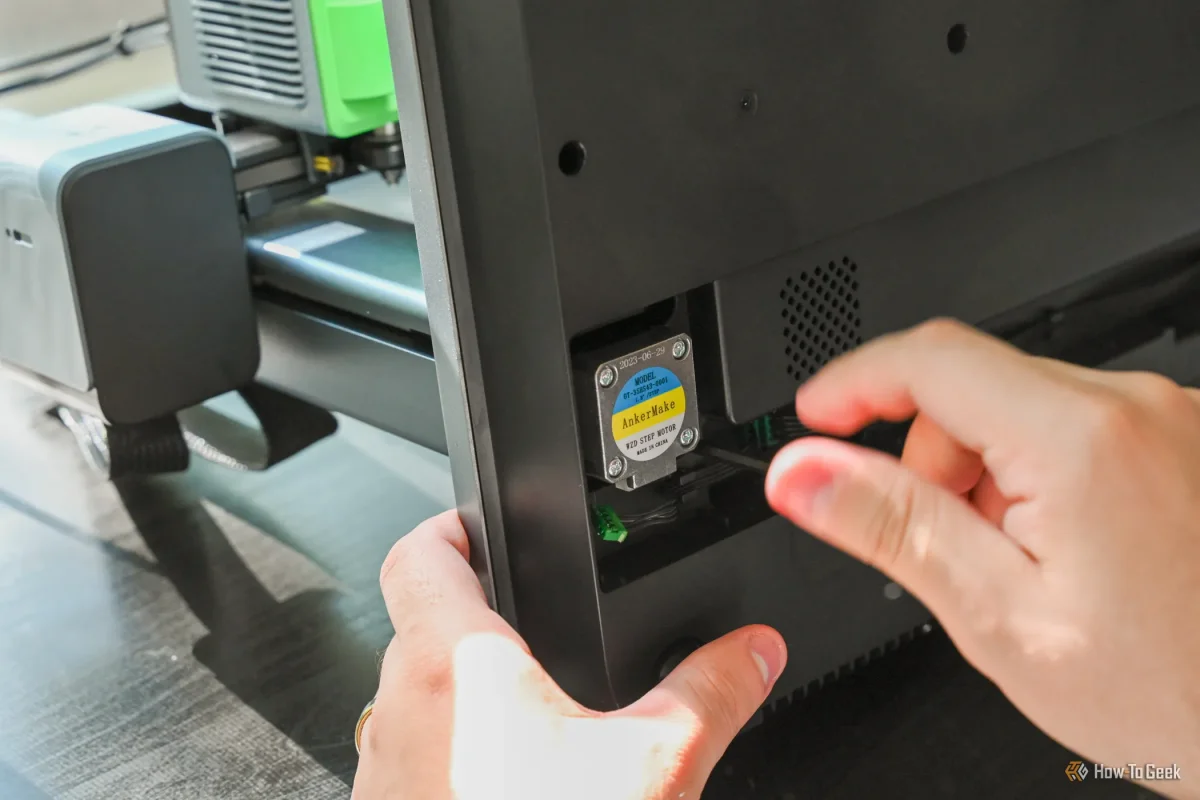

Advancements in 3D printing technology have significantly simplified the process for newcomers. Unlike over a decade ago when initial models required assembly, modern printers are now ready to use right out of the box after minimal setup. This evolution has made it an ideal time for hobbyists to explore 3D printing.
Despite their user-friendly design, understanding the calibration and troubleshooting processes is essential for optimal performance. Calibration ensures that the printer operates accurately, which varies between models. While older printers often necessitate manual adjustments using paper, newer versions utilize advanced technologies like sensors and AI for self-calibration. However, users should still be equipped with the knowledge to make manual adjustments if necessary.
Common issues, such as extrusion problems, require basic troubleshooting skills. Users might encounter situations where the filament is over- or under-extruded, or even stops extruding altogether. Knowing how to clear clogs in the hot end and adjust settings for issues like stringing or heat creep is crucial for maintaining print quality.