
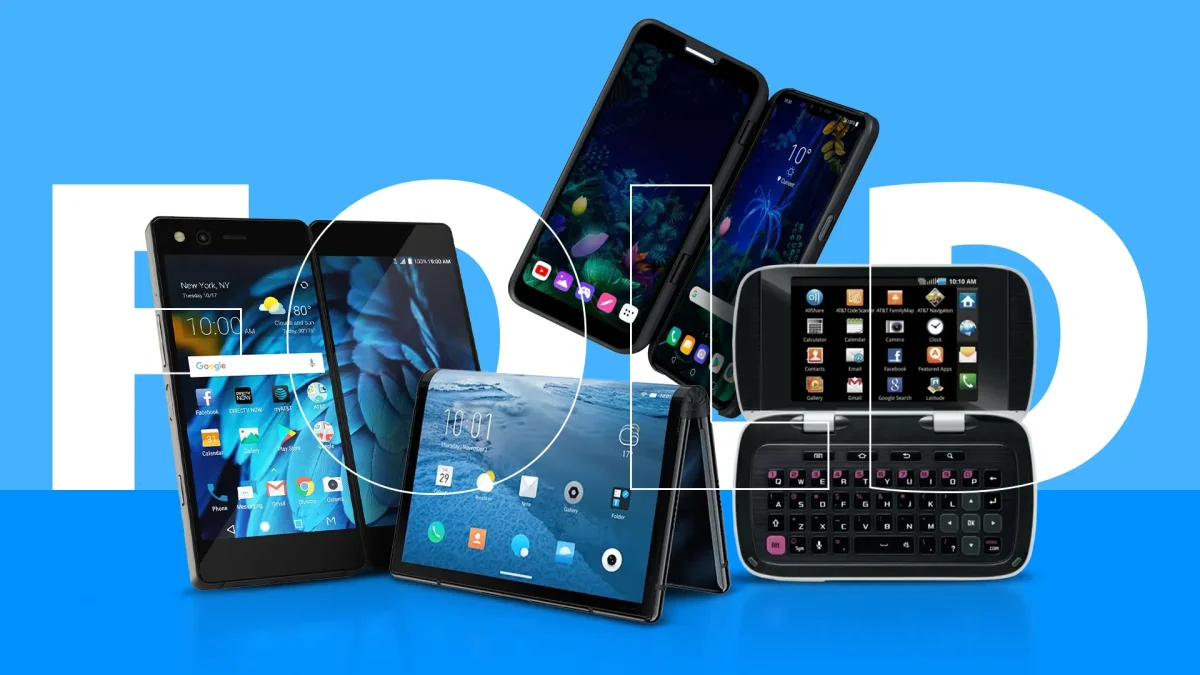

As the foldable phone market continues to evolve, the introduction of devices like the Kyocera Echo marked a significant moment in smartphone history. Released in 2011, this innovative device was notable for its dual-screen capabilities, featuring a unique hinge that allowed it to unfold into a hybrid with a combined display surface of 4.7 inches. However, the software experience was hindered by the limitations of Android at the time, which was not fully optimized for multitasking, leading to a less-than-ideal user experience.
Another notable entry in the foldable category was the Samsung DoubleTime, which mimicked the classic Nokia Communicator design. This device included a 3.2-inch touchscreen on the front and a physical keyboard that emerged upon unfolding. Despite its potential for texting and emailing, the phone struggled with performance due to its outdated hardware and software, running on Android 2.2 Froyo when newer versions were available.
Additionally, the NEC Medias W N05-E presented a different approach, with a secondary screen concealed beneath the main display. Despite its basic appearance, the implementation did not match the engineering prowess of the Echo, ultimately reflecting the challenges faced by early foldable devices.