
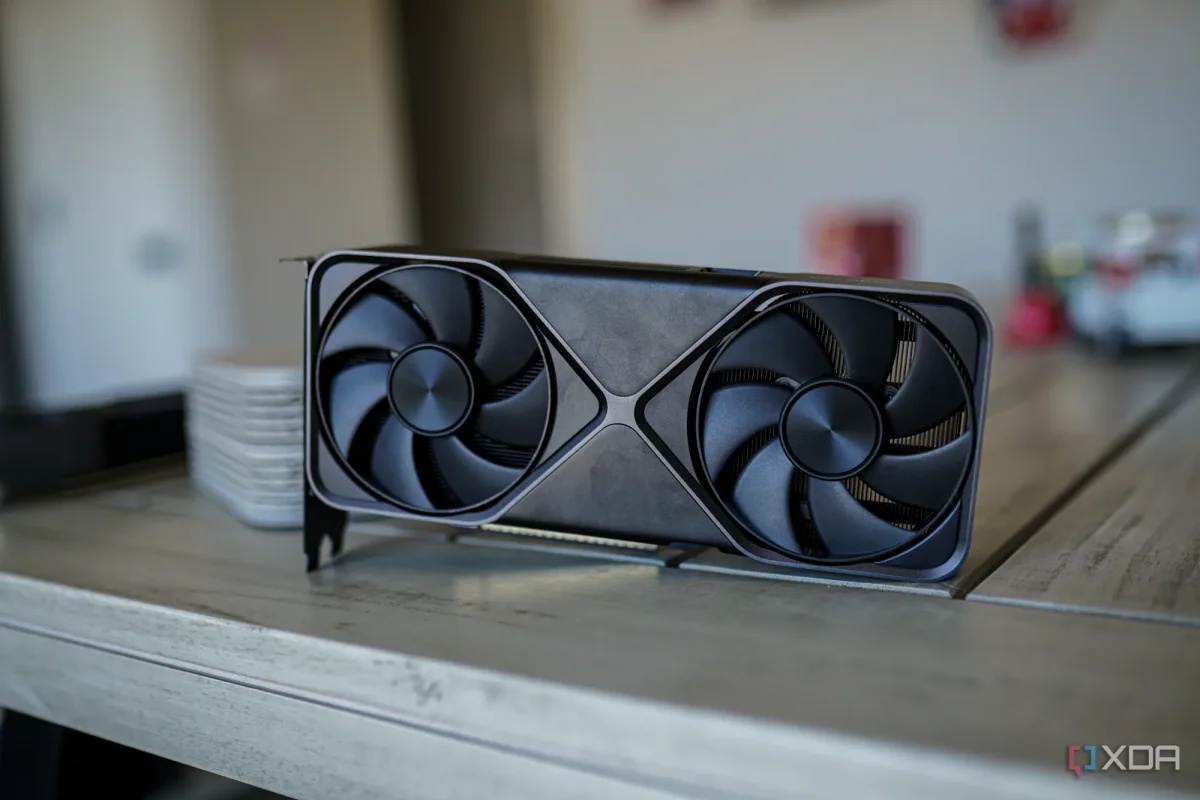

Recent trends in the graphics card market have led to significant price increases, affecting consumers' ability to upgrade their systems. The latest offerings from Nvidia and AMD, while technologically advanced, are often seen as prohibitively expensive. For instance, the RTX 4090 and RTX 5090 carry price tags of $1,599 and $1,999 respectively, which is a stark contrast to previous models like the GTX 1050 Ti and GTX 1660 Ti, purchased for much lower costs just a few years ago.
This shift has complicated the process of selecting a new GPU, with consumers now needing to consider factors such as cost per frame and availability. Many users find themselves holding onto their graphics cards for longer periods, as the financial burden of upgrading has increased. The situation is further exacerbated by limited generational improvements, which are primarily reserved for flagship models, leaving those seeking mid-range options with minimal advancements.
As a result, the average PC builder faces a difficult choice: either postpone upgrading their GPU or opt for a budget model that offers little in terms of performance enhancement. This "luxurification" trend in the GPU market has fundamentally altered the landscape, making it challenging for typical consumers to find suitable upgrades without overspending.