
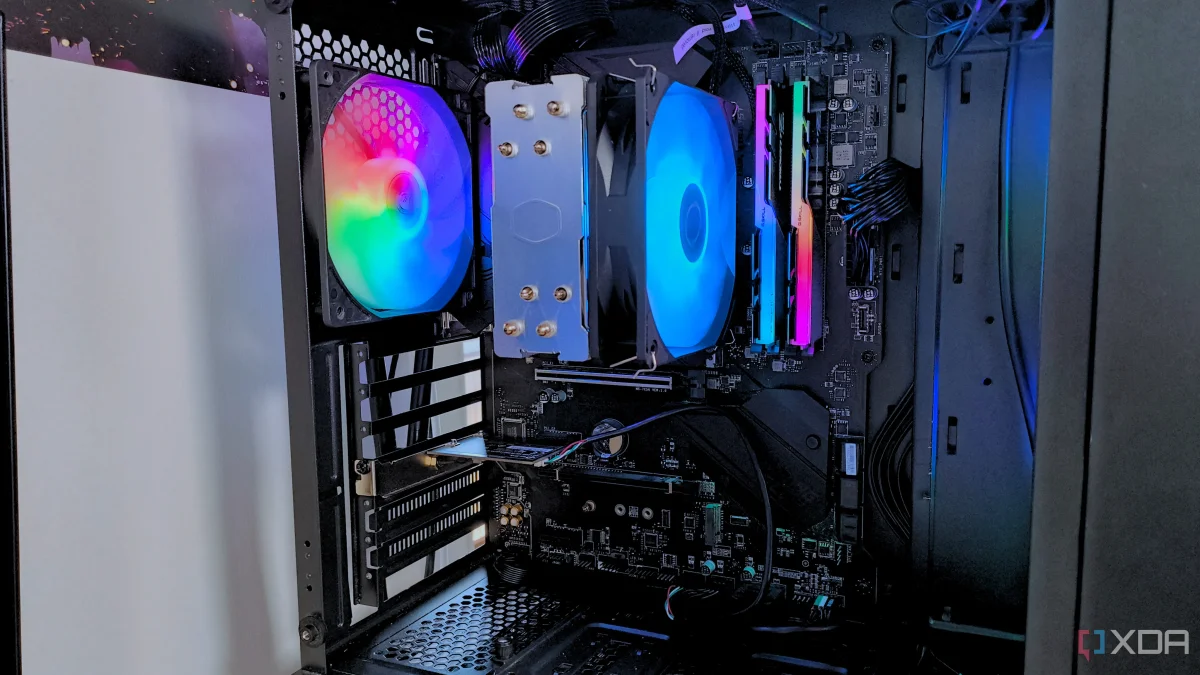

3D-printed components for PCs offer a unique combination of creativity and practicality, allowing users to customize parts such as cable combs, fan ducts, and GPU supports at a lower cost compared to retail alternatives. This customization enables a perfect fit for specific hardware setups, enhancing their appeal among hobbyists. However, a significant challenge arises when users evaluate these parts based solely on their appearance rather than their performance within a functioning system.
Heat management within a PC case plays a crucial role in the effectiveness of printed parts. Even if a component appears robust and well-constructed at room temperature, it may experience warping or deformation when exposed to warm air over extended periods. Critical areas, such as around drive cages or near radiator exhausts, can trap heat, leading to unexpected softening of the plastic. This subtle failure can result in parts like fan shrouds sagging or support arms losing alignment, complicating diagnosis and repair.
Understanding that temperature fluctuations can impact the integrity of 3D-printed parts is essential for successful implementation. A part's performance may deteriorate over time, especially under stress from other components or repeated heating and cooling cycles. Therefore, careful consideration of material limits and heat distribution is vital for ensuring the longevity and reliability of custom 3D-printed PC accessories.