
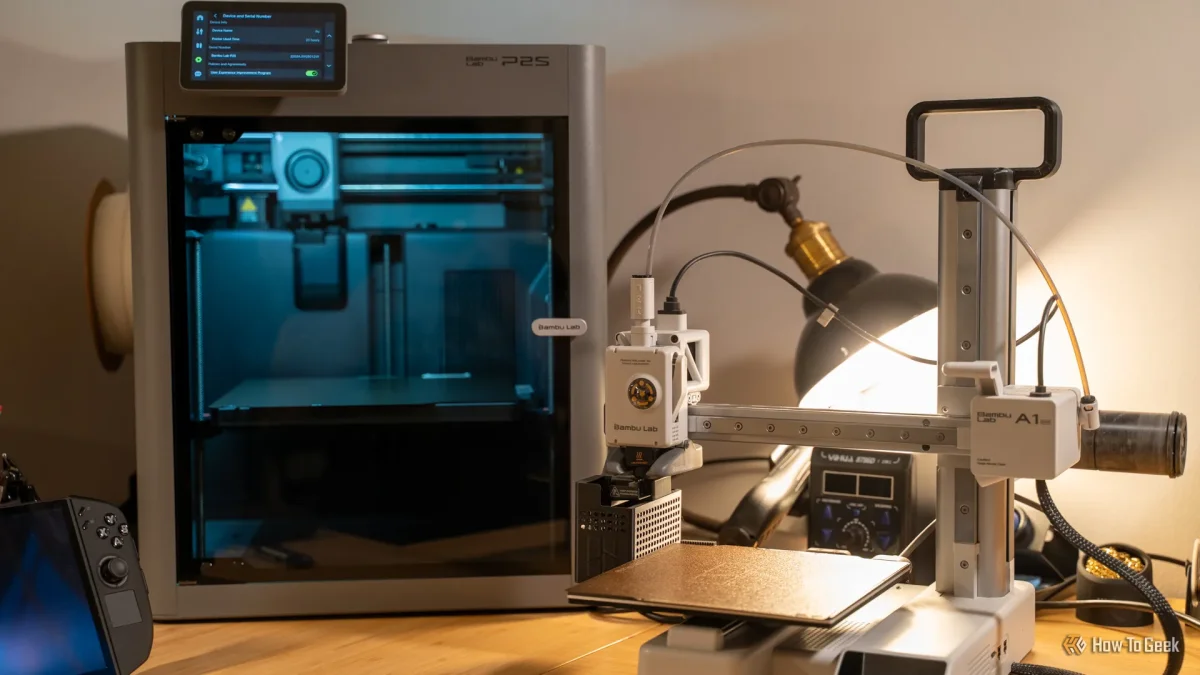

The rise of desktop 3D printers has transformed manufacturing, making it accessible to a wide audience. However, achieving high-quality outcomes requires more than just purchasing an expensive machine. The success of 3D printing hinges on the quality of materials used, as skimping on these can result in unsatisfactory results.
This technology enables the creation of complex structures, such as custom medical implants, mechanical gears, and intricate jewelry, which were previously challenging to fabricate. Mastery of both the printer's hardware and its software is essential for translating digital designs into precise, functional objects. Regular maintenance, including checking belts, cleaning nozzles, and ensuring the printer's frame is stable, is crucial for maintaining performance.
While user-friendly models exist, they still demand attention to achieve optimal results. The quality of filament also plays a significant role in the printing process, as lower-cost options can compromise the final product. Investing time in setup and upkeep is vital for anyone looking to harness the full potential of this innovative technology.