

Tiny cameras in earbuds revolutionize hands-free AI experience, say UW researchers

Tiny cameras in earbuds revolutionize hands-free AI experience, say UW researchers

University of Washington's VueBuds embed cameras in earbuds, enabling instant AI assistance without storing data, raising privacy concerns and challenging smart glasses' dominance.

NeboAI I summarize the news with data, figures and context
IN 30 SECONDS

IN 1 SENTENCE

SENTIMENT
Neutral

𒀭
NeboAI is working, please wait...
Preparing detailed analysis
Quick summary completed
Extracting data, figures and quotes...
Identifying key players and context
DETAILED ANALYSIS
SHARE

NeboAI produces automated editions of journalistic texts in the form of summaries and analyses. Its experimental results are based on artificial intelligence. As an AI edition, texts may occasionally contain errors, omissions, incorrect data relationships and other unforeseen inaccuracies. We recommend verifying the content.

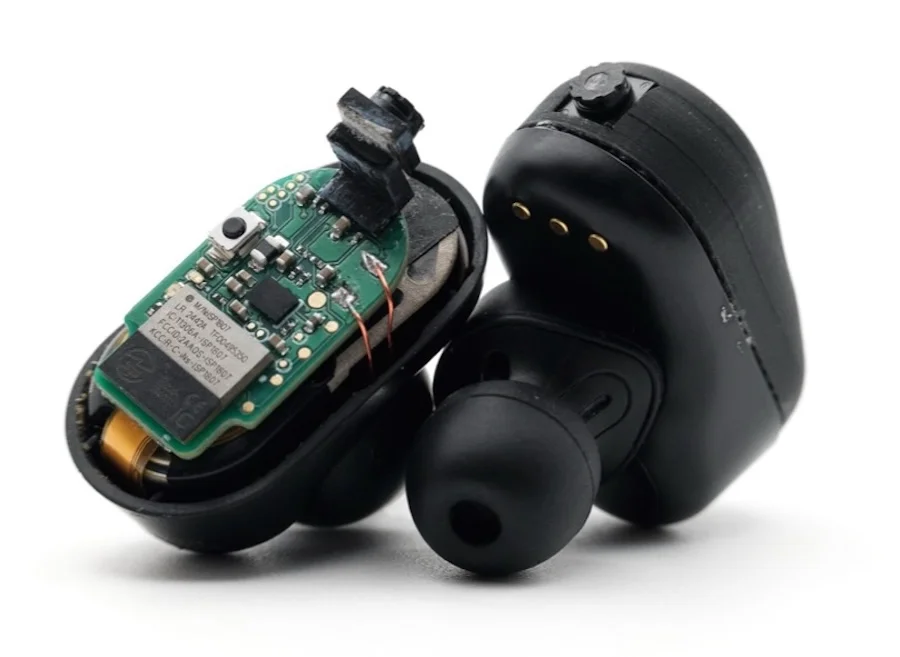
The University of Washington has introduced VueBuds, a prototype that integrates a rice-grain-sized camera into standard Sony wireless earbuds, creating a discreet visual AI assistant. This innovation allows users to inquire about items, such as food calorie counts or unfamiliar kitchen tools, with responses generated in approximately one second.

Unlike traditional smart glasses, the earbuds do not retain any images, processing everything on-device to ensure privacy. This feature means that while the technology operates effectively, it raises questions about the social implications of having cameras embedded in everyday objects. The researchers, led by Maruchi Kim, emphasize the importance of addressing privacy concerns upfront, stating that trust is essential for technologies that involve visual data collection.

As the first team to embed cameras in commercial wireless earbuds, the UW group challenges the notion that smart glasses can become widely accepted, arguing that they carry significant social baggage. VueBuds aim to provide hands-free access to AI while minimizing data retention, marking a potential shift in how consumers interact with technology in public settings.

Want to read the full article? Access the original article with all the details.
Read Original Article
TL;DR

This article is an original summary for informational purposes. Image credits and full coverage at the original source. · View Content Policy

Editorial
Editorial Staff

Our editorial team works around the clock to bring you the latest tech news, trends, and insights from the industry. We cover everything from artificial intelligence breakthroughs to startup funding rounds, gadget launches, and cybersecurity threats. Our mission is to keep you informed with accurate, timely, and relevant technology coverage.

Press Enter to search or ESC to close